
Bridge to Independence: Tech Fostering Home Health & Wellness
By LaDonna Eriksen
Imagine waking up each day in a space where every corner holds a memory and every window frames a familiar view. For millions of Americans, home isn’t just a place to live; it’s the very heart of their world. But for those who are medically homebound — whether from age, chronic illness or disability — that same space can feel like both a lifesaver and a barrier.
 Fostering connections for
health & wellness
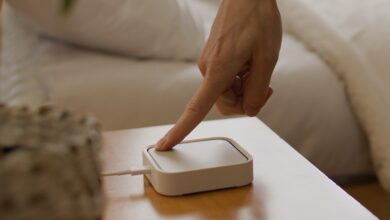
Today’s technology steps up to fill gaps, turning homes into centers of safety, independence, human connection, in addition to being health hubs.
It’s not about filling rooms with gadgets; It’s about weaving those tools into everyday routines — so they feel natural, respect privacy and help residents live fully.
- A voice-activated assistant can call loved ones or check the weather without lifting a finger.
- Telehealth platforms bring doctors’ visits right to the living room, cutting out travel stress and opening up care.
- Intelligent lighting systems can adjust brightness and color to support mood, sleep and fall prevention.
- Wearable health trackers keep an eye on vitals all day, sharing updates with family or medical teams in real time.
Home of tomorrow is here today
Every tool, every platform and every innovation should serve one goal — helping homeowners stay connected, independent and in control. As technology continues to evolve — think AI-driven health monitoring or smart medication dispensers — the promise is simple: the home becomes not just a refuge, but a launchpad for better living.
More than ever, home is where life happens. And thanks to these thoughtful integrations of technology, that life can be fuller, safer and more connected than ever before.
Smart home technology: Safety meets simplicity
For anyone who finds walking from room to room a challenge, a simple voice command can feel like freedom. Voice assistants like Alexa, Google Home or Siri can dim the lights, adjust the thermostat, lock doors or even crack open a window — all without homeowners leaving their favorite chair.
Automated lighting systems add another layer of ease and security. Motion sensors can turn lights on when someone enters a hallway, helping prevent trips and falls. Some setups even mimic natural daylight patterns to support and boost moods.
Smart locks and remote-controlled doors mean the homeowner is in charge of who comes in. A family member or caregiver can unlock the front door for a visiting nurse from miles away. And let’s not forget motorized blinds and window openers. Want fresh air and sunlight? Just tap an app or say the word — no climbing on stools or wrestling with tangled cords.
Telehealth: Like a doctor’s house call
Remember when seeing the doctor meant packing up and heading out? Telehealth brings that visit right to someone’s living room.
Secure video calls foster follow-ups, medication tweaks or basic exams. Remote monitoring devices track vital signs — like blood pressure or oxygen levels — and send updates straight to a care team.
Personalized mobile health: Tailored care
A phone or tablet can now be more than social media and streaming; it can be a health hub. Apps track everything from blood sugar trends to daily step counts, then send gentle nudges when it’s time for meds or a quick walk. Smart pill dispensers double-check that prescriptions were taken on schedule and ping a caregiver if something’s missed.
Wearable trackers quietly monitor heart rate, oxygen levels and sleep patterns all night long. If something feels off, the medical team gets a heads-up. Condition-specific tools — like continuous glucose monitors or CPAP machines — can sync up with apps so care providers always see the latest data.
Early planning, collaboration is key
True independence comes when technology fits seamlessly into life and spaces. That’s why a team of experts —architects, contractors, designers, system integrators, occupational therapists — and most importantly, the homeowner, need to plan together.
Starting early means every detail, from where the Wi-Fi router sits to how smart lights respond to motion, is mapped out for comfort. And because everyone’s needs are different, customization is the rule — never one-size-fits-all.
Tackling real-world hurdles
No matter how helpful these tools can be, challenges pop up:
- Privacy worries about cameras or sensors
- Feeling overwhelmed by new gadgets
- Budget limits for expensive installations
The good news is there are ways forward. Check with Medicare and Medicaid to determine what can be covered by those programs. Many local and national programs offer grants or low-interest loans. Nonprofits can chip in for hearing devices or mobility upgrades. And step-by-step training makes learning a new app feel like second nature.
Looking ahead: Healthy homes
The next chapter of innovation blends wellness, sustainability and smart design:
- Air quality monitors send alerts if pollen or dust spikes
- Water scanners inform if minerals or contaminants creep in
- Lighting systems shift through the day to match natural sleep cycles
- Energy trackers show where to save dollars and shrink carbon footprints.
For those who can’t easily leave home, these features aren’t luxuries — they’re lifelines.
Bridge to independence
Technology doesn’t replace the human touch — it amplifies it. Paired with empathy and thoughtful design, the right tools turn a home from a place of limits into a place of possibilities. They help change isolation into connection, reliance into freedom and worry into confidence.
As accessibility pioneer Selwyn Goldsmith said, “Buildings themselves can be disabling when they are not designed to accommodate the needs of all users, including those with disabilities.” That statement includes homes. With smart, accessible technology in place, home becomes not just where residents live, but where residents thrive.
LaDonna Eriksen is CEO and director of education at Construction Education Consortium.
Photo courtesy of Magnific/Drazen Zigic